Rinterland: Crafting Authentic Vintage Charm
The Personality Behind the Hand-Drawn Look
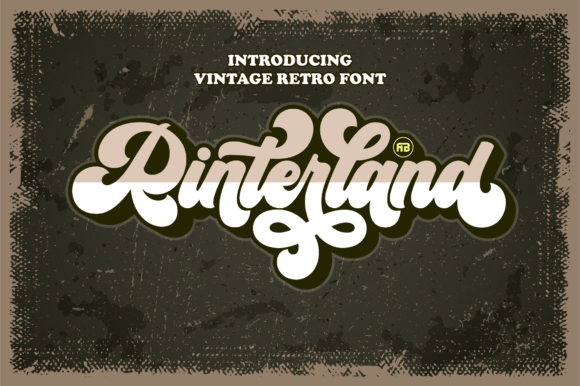
There is a specific kind of visual warmth that digital designs often lack. We see it in the slight wobble of a hand-lettered sign or the thick, confident ink of a vintage poster. This is the exact feeling that the Rinterland typeface captures so well. It isn't just a set of letters; it is a design asset that brings a distinct, human touch to any project. The core of its appeal lies in its bold, hand-drawn construction. The lines are thick, giving it a strong presence, but they are not perfectly uniform. This subtle unevenness is what makes Rinterland feel authentic and aged, rather than digitally sterile. It’s a font that looks like it has a story to tell, making it an excellent choice for anyone looking to add a unique, classic, and slightly rugged character to their work.
As a premium font, Rinterland is designed with both aesthetics and functionality in mind. Its personality is a blend of nostalgia and confidence. It evokes the spirit of old craft labels, rustic signage, and vintage advertisements. Yet, its clean construction ensures it remains highly usable in modern contexts. This makes it a versatile creative font for a wide range of applications. Whether you're a designer working on a brand identity or a crafter creating a personalized gift, the font's character immediately sets a specific, evocative tone. It doesn't whisper; it makes a statement with its bold strokes and artisanal imperfections.
Where Rinterland Truly Shines
Understanding a font's ideal environment is key to using it effectively. Rinterland is a display font, meaning it is built for impact and is best used for headlines, logos, and short, prominent text blocks. Its thick letterforms and intricate details make it less suitable for long paragraphs of body copy, where readability at smaller sizes is paramount. Instead, think of it as the anchor for your visual hierarchy. Use it to draw the eye and establish a mood, then pair it with a cleaner companion for supporting text.
Its strengths are particularly evident in specific project types. For logo design, Rinterland can instantly convey a brand's values of craftsmanship, heritage, or authenticity. Imagine it on the logo for a microbrewery, a boutique coffee roaster, or a handmade leather goods store. It tells customers that quality and attention to detail are core to the business. In packaging design, it can make a product stand out on the shelf, suggesting a artisanal origin and a connection to tradition. The font’s personality is perfect for labels, tags, and boxes that aim for a rustic or classic aesthetic.
Beyond physical products, Rinterland excels in digital and editorial spaces. It’s a fantastic tool for creating engaging social media graphics. A bold quote or a promotional announcement set in Rinterland is far more likely to stop a scrolling thumb than one set in a generic typeface. For bloggers and content creators, it can be used for post titles, chapter headings in an editorial design layout, or as a stylish accent in website headers. The font’s character can also enhance personal projects like wedding invitations, greeting cards, or custom apparel, adding a layer of thoughtful design that feels personal and unique.
Practical Guidance for Using This Typeface
Choosing the right font is a strategic decision. Before incorporating Rinterland into a project, consider your audience and the message you want to send. This typeface resonates most with adults aged 20-50 who appreciate a blend of classic style and modern sensibility. It works beautifully for brands and creators in the lifestyle, food and beverage, outdoor, and artisanal spaces. If your goal is to project a sleek, futuristic, or ultra-minimalist vibe, Rinterland might not be the best fit. But for projects that value warmth, history, and a human touch, it’s an outstanding choice.
A critical step in any design process is testing font pairing. Rinterland’s bold, detailed nature demands a companion that provides contrast and balance. Avoid pairing it with another decorative or script font, as this will create visual chaos. Instead, look for a clean, simple sans serif font or a classic, readable serif font. The contrast will allow Rinterland to command attention in headlines while the secondary font ensures your message is easily digestible. Always test your pairings at the actual size they will be used to ensure harmony and clarity.
One of the most practical advantages of this commercial font is its PUA (Private Use Areas) encoding. This is a significant benefit for designers and hobbyists alike. In simple terms, it means all the extra glyphs, swashes, and stylistic alternates included with the font can be accessed easily, even in basic software that doesn't fully support advanced OpenType features. This gives you creative freedom to customize letterforms, add decorative flourishes, and create truly unique typographic compositions without technical hassle. When you invest in a font like Rinterland, you're not just buying letters; you're acquiring a full set of design assets that expand your creative possibilities.
Finally, always consider the context of use. For digital projects like web design, ensure the font file is optimized for screen rendering to maintain its sharp, hand-drawn character. For print projects, from business cards to large-format posters, the font’s bold lines will reproduce beautifully, ensuring your design looks as intended. By thoughtfully applying Rinterland where its personality can shine, you leverage its full potential to build a stronger brand identity, create more engaging visuals, and connect with your audience on a more authentic level. It’s a powerful tool for anyone looking to move beyond the ordinary and craft designs with genuine character and timeless appeal.