Why the Funny Font Adds Instant Warmth to Your Designs
There is a specific moment in design when you need text to feel less like information and more like a conversation. You want the typography to have a pulse, a sense of human touch that digital perfection often strips away. That is exactly where Funny, a sweet and friendly handwritten display font, fits into the creative landscape. It is not just another script typeface; it is a design asset that injects personality into projects that risk feeling too sterile or corporate.
The Visual Heartbeat of Your Project
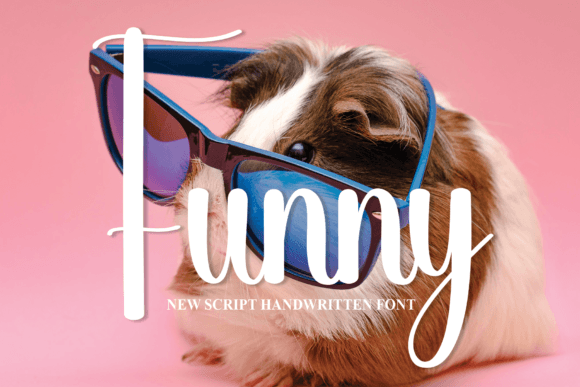
When you look at Funny, the first thing you notice is its lack of pretension. As a handwritten font, it mimics the natural inconsistencies of a pen on paper, offering a rhythm that feels organic. It sits comfortably in the realm of modern typography, balancing a casual aesthetic with enough structure to remain legible. The characters have a softness to them—rounded edges and a gentle flow that avoids the jagged, aggressive look of some graffiti-style fonts.
This display font is designed to be the star of the show in headlines or logos, rather than the supporting actor in a body of text. Its visual weight is light but present, making it an ideal candidate for projects that need a "cute and fun" vibe without looking childish. It functions as a visual cue that tells your audience, "This is a safe, friendly, and approachable space." For anyone working on logo design or brand identity, this emotional signaling is crucial. It bridges the gap between a brand and a consumer by making the message feel personal.
Strategic Applications for Creators and Brands
The versatility of Funny extends across various mediums, but it truly shines where human connection is the goal. For entrepreneurs and small business owners, choosing the right typography can define how a product is perceived on the shelf or on the screen.
Print and Packaging
In the realm of packaging design, particularly for artisanal goods, bakeries, or boutique cosmetics, this font adds a layer of authenticity. It suggests that there are real people behind the product. Imagine a jam jar label or a hand-poured candle box; using a stiff serif font might make it look mass-produced, whereas Funny retains that "small batch" feel. It is equally effective for wedding invitations, greeting cards, and stationery where the goal is to evoke emotion and intimacy.
Digital and Web Presence
In web design and social media graphics, attention spans are short. A creative font like Funny can stop the scroll. It works exceptionally well for quote graphics on Instagram, headers for lifestyle blogs, or call-to-action buttons that need to feel non-aggressive. However, it requires a strategic approach. Because it is a display font, it should be reserved for short bursts of text. Pairing it with a clean sans serif font for the body copy ensures that your website remains accessible and easy to read while maintaining that whimsical header appeal.
Mastering the Mix: Pairing and Readability
One of the most common mistakes I see in editorial design and marketing materials is the overuse of script fonts. While Funny is legible for a handwritten style, it is not designed for long-form paragraphs. If you force your audience to read 500 words in a handwritten typeface, they will likely click away or put the brochure down.
The magic happens when you use Funny for contrast. Consider a font pairing strategy where Funny acts as the accent. For example, pair it with a geometric sans serif font like Montserrat or a traditional serif font like Garamond. The contrast between the structured, rigid lines of the secondary font and the fluid, organic lines of Funny creates a dynamic visual hierarchy. This guides the reader’s eye naturally from the headline to the content.
Testing and Evaluation
Before committing to this typeface for a large-scale campaign, conduct a "squint test." Zoom out or squint your eyes at the layout. Can you still distinguish the letters? Does the "o" look like an "a"? Funny holds up well in this regard because of its distinct letterforms, but testing at the specific size you intend to use is always best practice. Also, pay attention to kerning. Handwritten fonts sometimes require manual adjustment of the space between letters to ensure that words like "Toll" or "Folly" don’t look awkward.
Licensing and Professional Integrity
As designers and business owners, we must respect the creative labor that goes into producing a premium font. Funny is a commercial font, meaning it requires a license for use in client work, merchandise, and digital products. This is not just a legal requirement; it is a mark of professionalism.
Using a properly licensed typeface ensures that you have access to all the styles, glyphs, and updates the designer releases. It also protects your clients from potential legal issues down the road. When you purchase a license for a premium font, you are investing in the reliability of your design assets. You are ensuring that your brand identity is built on solid ground, free from the risk of copyright infringement notices that can derail a project.
The Final Word on Font Choice
Choosing a font like Funny is about more than just aesthetics; it is about psychology. It is about understanding that your audience wants to connect with the brands they support. Whether you are a crafter selling on Etsy, a marketer designing a seasonal campaign, or a publisher looking for the perfect chapter title, this font offers a specific utility: it makes things feel human. It reminds us that design is, at its best, a form of communication between people. Use it to add that necessary touch of sweetness and warmth to your next project.